Building the Future of Moulded Fibre Packaging – A Conversation with Natalie Davies
Article
Aktualisiert:
04.12.2025
< 1 min read
Teilen auf:
Introduction
Moulded fibre packaging is rapidly gaining ground as companies search for sustainable, high-performance, low-carbon alternatives to plastics and EPS. At the centre of this shift is EGI, a Ryleon company known for its innovation and design expertise, customer-focused approach, and ability to deliver custom-designed moulded fibre solutions for demanding applications.
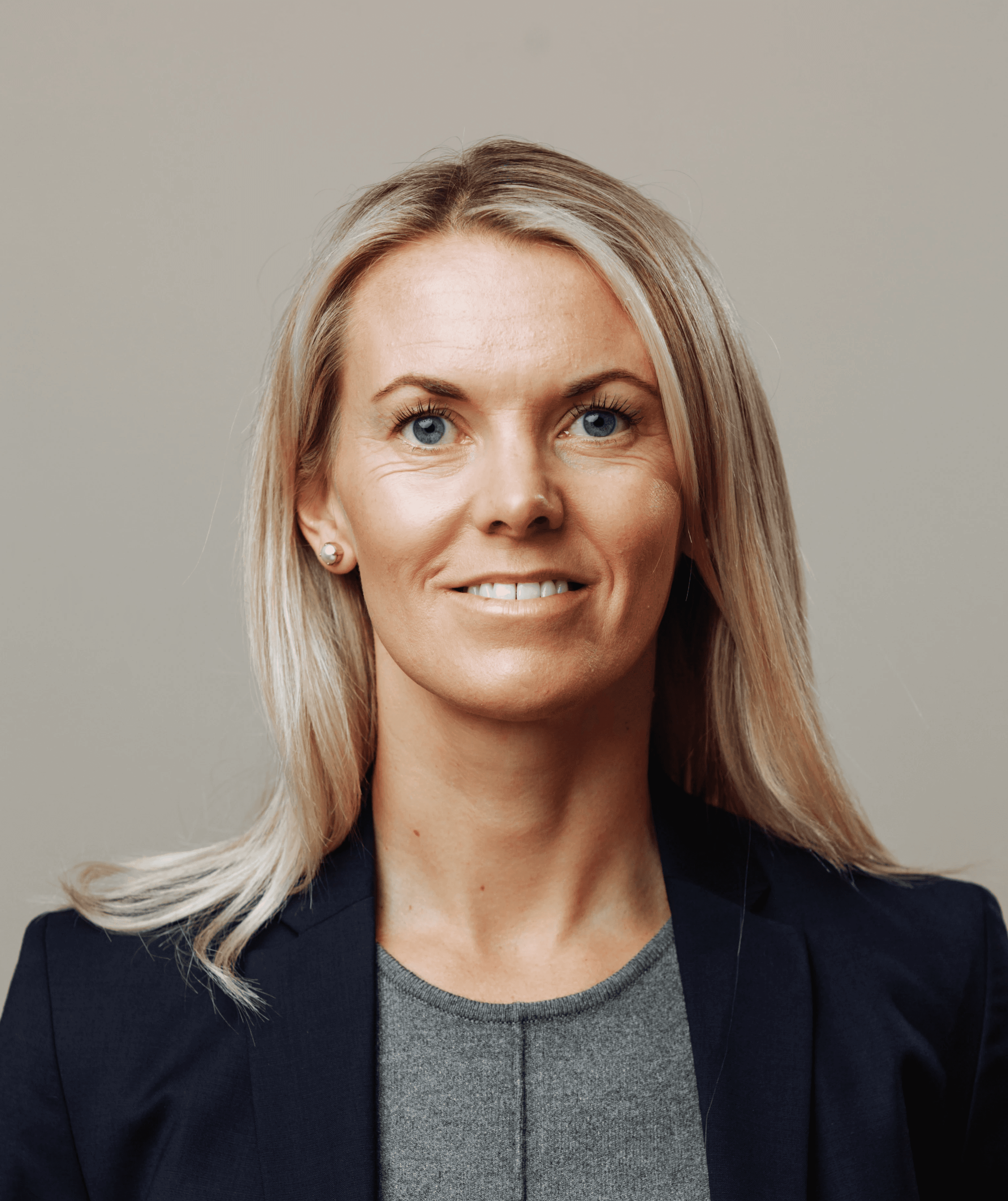
In this interview, EGI’s Managing Director & Founder, Natalie Davies, reflects on the company’s journey from a simple idea to a high-performing moulded fibre provider. She shares the inspiration behind EGI’s creation, the strengths that have shaped its growth, and her vision for the future of circular, fibre-based packaging.
The Entrepreneurial Spark Behind EGI’s Moulded Fibre Journey
Q1. What inspired you to start EGI and focus on moulded fibre packaging?
EGI started with a simple conviction: packaging should protect both products and the planet. Seeing the islands of plastic in our oceans made me want to create an alternative to prevent this from happening. I kept coming back to the idea that there had to be a better alternative to the plastic and EPS materials traditionally used. I wanted to create solutions that truly support customers while meaningfully reducing environmental impact.
From the beginning, our mission was to show that moulded fibre can deliver the same performance as plastic or foam — and in many cases even better — while being fully recycled and recyclable. It felt inspiring to create solutions that make packaging smarter, cleaner, and more future-proof.
In many ways, EGI was built on optimism — a belief that we can create protective packaging that performs exceptionally for customers while leaving a much lighter footprint on the world.
How EGI Built a High-Performance Moulded Fibre Business
Q2. What have been the key strengths and success factors behind EGI’s development?
A big part of our success comes from how closely we work with our customers. We’ve built EGI around service excellence — being easy to reach, quick to respond, and ready to take on challenges that others might turn down. Instead of just supplying packaging, we work side by side with customers to design the right solution.
Many of the projects we take on involve unusual shapes and weights, strict performance demands or ambitious sustainability goals. That’s where our design and engineering team really shines. We enjoy solving those technical challenges and turning them into practical, high-performing moulded fibre products.
We’re also very flexible. We listen, adapt quickly and approach every project as a partnership. That collaborative mindset has helped us build long-term relationships and a strong reputation for reliability.
Why Companies Are Shifting from Plastics to Fibre-Based Packaging
Q3. Moulded fibre packaging is gaining momentum globally. What market trends are driving companies to replace plastics and EPS with fibre-based alternatives?
There’s a very clear shift happening. Customers want packaging that is renewable, recyclable, and compliant with tightening regulations — and they don’t want to compromise on performance or cost.
At the same time, brands are looking at their CO₂ footprints and realising that protective packaging is a major contributor. Switching from plastics or EPS to moulded fibre is one of the simplest and most impactful steps they can take.
So the trend is a mix of consumer expectation, regulatory pressure, and genuine corporate responsibility. All three are pushing fibre forward.
Engineering Complex, High-Performance Moulded Fibre Solutions
Q4. EGI is known for engineered, high-performance protective packaging. Could you describe the types of moulded fibre solutions you specialise in?
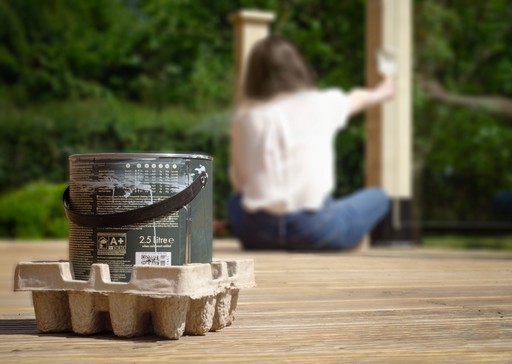
We specialise in custom-engineered moulded fibre packaging for a wide range of products. Our Pulp-it range includes solutions for bottles and beverages, paint and liquid cans, as well as trays, inserts, and tailored shapes for food, jars, industrial components and irregular items. We also develop fully bespoke moulded fibre solutions beyond the Pulp-it range, customised to our customers' specific protection or sustainability needs.
Most of our work is custom-designed — we create tooling and packaging around the product to ensure it arrives safely while using as little material as possible. It’s about combining performance, efficiency and sustainability in one solution.
Moulded Fibre and the Circular Packaging Economy
Q5: How does moulded fibre support a more circular, low-carbon packaging economy, and what impact does it have on reducing waste and emissions?
Moulded fibre is naturally circular. We use recycled cardboard as the raw material, and the finished packaging can be recycled again through standard paper streams — making it easy for customers to close the loop.
It also comes with a far lower carbon footprint than plastics or foam. By choosing fibre, companies reduce waste, avoid landfill-driven problems, and align their packaging choices with the sustainability goals they are committing to.
For customers who want packaging that performs well and does good — strong, protective, recyclable and climate-smart — moulded fibre is a powerful solution.
Innovation as a Driver for Next-Generation Fibre Packaging
Q6. What is your approach to innovation, and where do you see the strongest opportunities to advance moulded fibre packaging technology in the years ahead?
Our approach starts with really understanding the product and the journey for our customer. Once we understand this, we focus on creating innovative packaging solutions that provide the optimum protection whilst reducing material use, carbon footprint, transport and storage costs for our customers.
With the general acceptance of the need to move away from harmful plastics, as well as global regulatory pressure, there are exciting opportunities in a wide variety of markets and sectors to innovate and replace plastic and EPS with sustainable alternatives.
The Strategic Impact of Joining Ryleon
Q7: EGI recently became part of Ryleon. What are your expectations for this partnership moving forward?
It quickly became very clear that the culture and values of EGI and Ryleon are very much aligned, as we are both committed to creating a better future by being laser-focused on innovation and providing sustainable solutions to our customers that address plastic waste and pollution.
In becoming part of Ryleon, we see so many synergies that will ultimately benefit our customers, but also allow us to grow into new markets and sectors globally.
A Future Vision for EGI in the Sustainable Packaging Industry
Q8. What is your long-term vision for EGI and its role in shaping the future of sustainable and moulded fibre packaging?
Our long term vision is to continue to innovate and grow to support customers in different market sectors and geographies and, together with our Ryleon partners, continue to lead the charge in reducing harmful plastic waste and pollution.